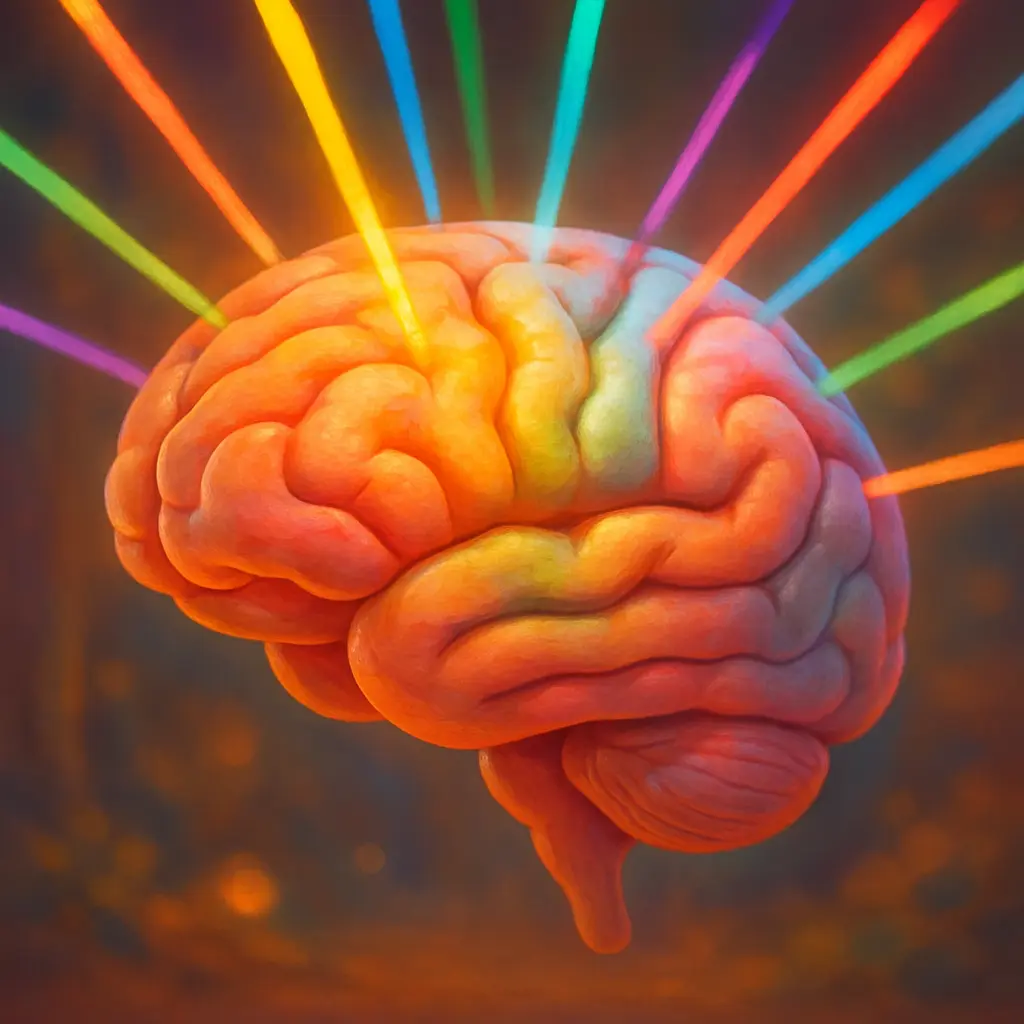
Several colorful beams entering into a human brain.

Color Psychology in Branding

The human brain processes visual information with remarkable speed. This results in first impressions of a brand being formed in under 90 seconds. Crucially, up to 90% of this initial assessment is attributed to color alone.

This positions color as more than a mere aesthetic element; it is a powerful, non-verbal communication tool essential for conveying a brand's message, establishing an emotional connection, and influencing consumer perception prior to any textual engagement.
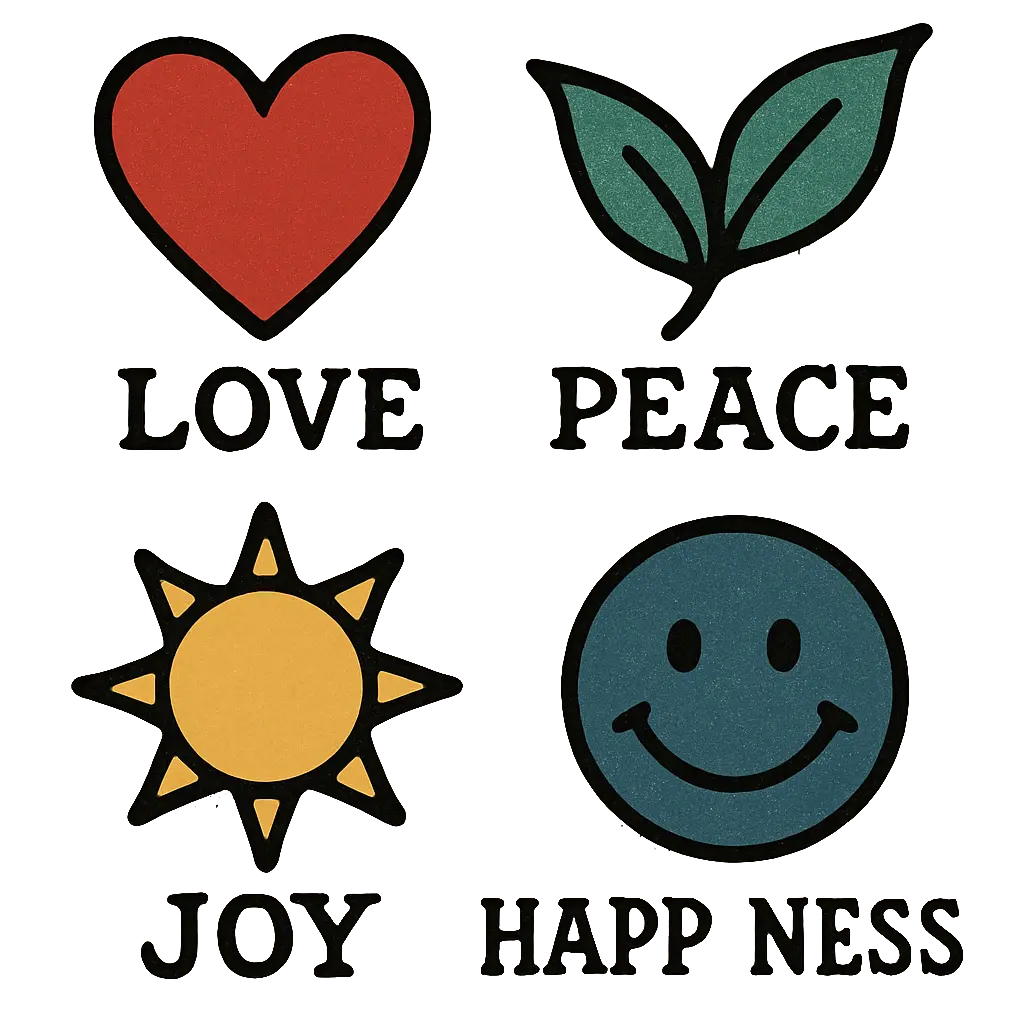
Drawing showing different colors and the emotions associated with them

Colors Carry Intrinsic Feelings

Each color carries a distinct psychological resonance, making strategic selection critical for brand alignment. For instance:

blue consistently signals trust, stability, and professionalism
red conveys urgency, passion, and excitement
green is intrinsically linked to growth, balance, and wellness

The overall color temperature further dictates the brand's tone. Warm colors (reds, oranges, yellows) are energetic and encourage engagement, while cool colors (blues, greens, purples) evoke calmness, trust, and deep reflection. The most effective palettes often achieve balance by integrating warm accents into a cool base, or vice versa, to ensure both grounding and vitality.

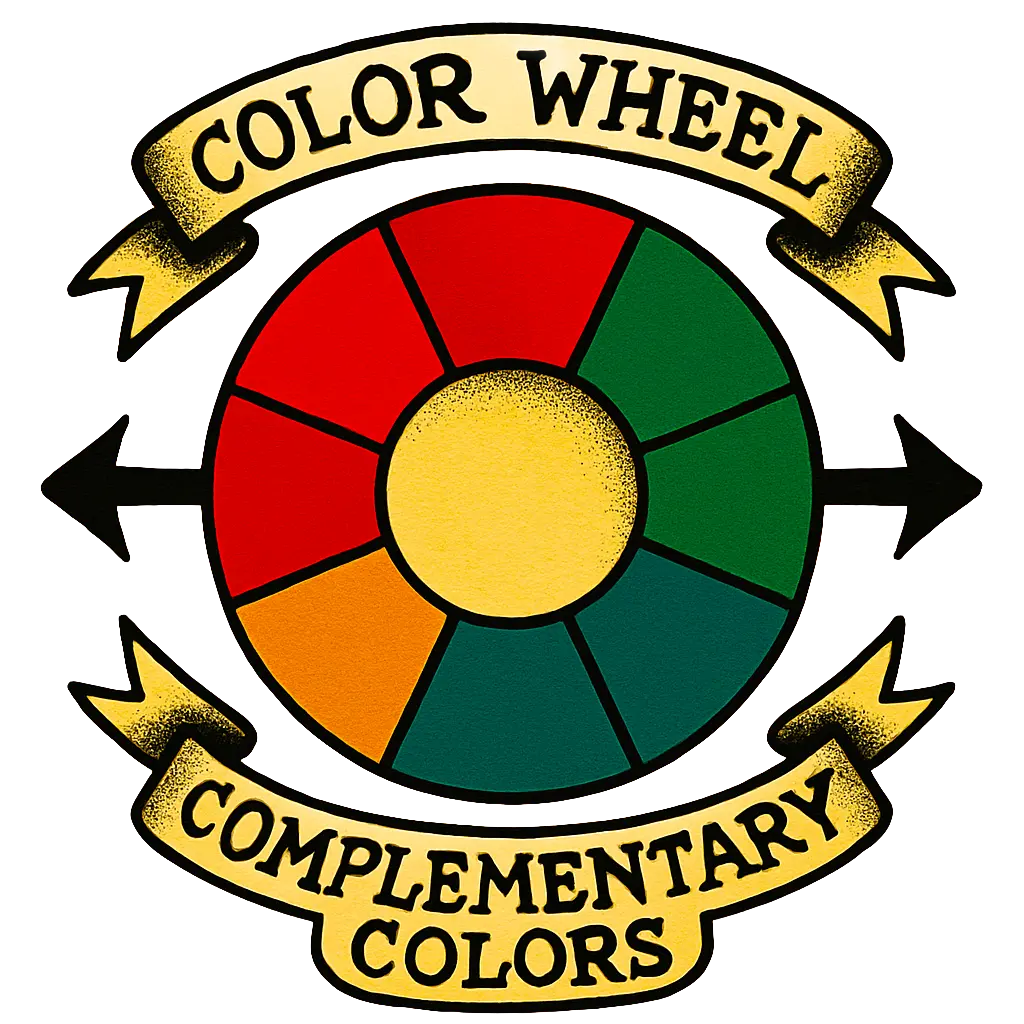
A drawing of a color wheel showing complementary colors.

Constructing a Strategic Color Palette

A successful brand palette is built on psychological strategy, not subjective preference. The process should begin by identifying the brand's core emotional goals—the specific feelings (e.g., trust, empowerment, excitement) the organization aims to evoke.

When colors are chosen intentionally, grounded in strategy and psychological understanding, they become instrumental in shaping a powerful and enduring brand experience.

Does your business need a colorful glowup? We can help.

Ready to transform your brand?

Let's Create Magic Together
Scroll